Food & Diet
What to Eat After Gallbladder Removal: A Practical Guide
Most people return to a balanced diet within weeks. Here is how to ease back in, which foods tend to sit well, and how to learn what suits you.
Practical food ideas, everyday tips and helpful resources for living well without a gallbladder.
General educational information based on published health guidance. Not medical advice. Medical disclaimer
Six simple steps, in order. Skip around whenever you like.
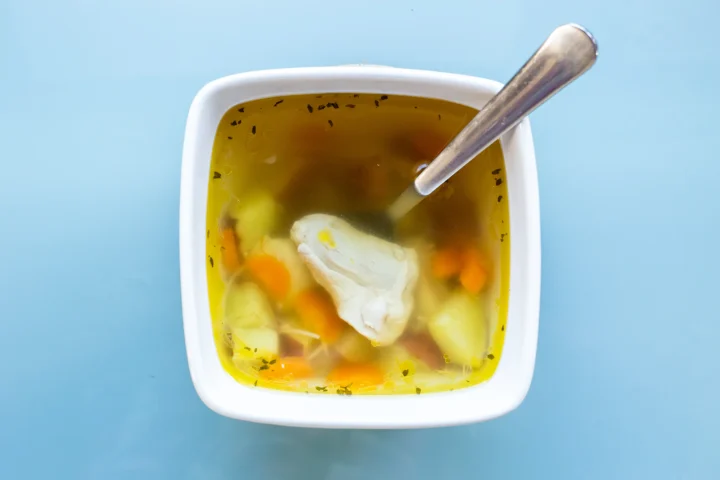
What to expect in the first days and weeks, and how people ease back into eating.
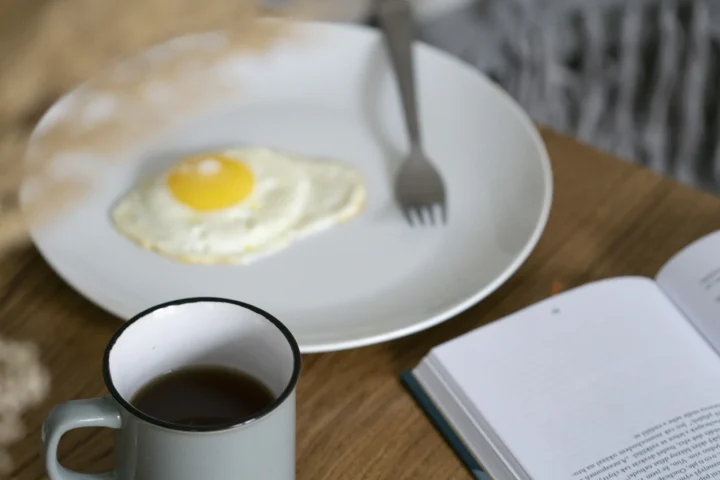
Start with the basicsWhat to eat, what many people limit, and how to bring foods back gradually.
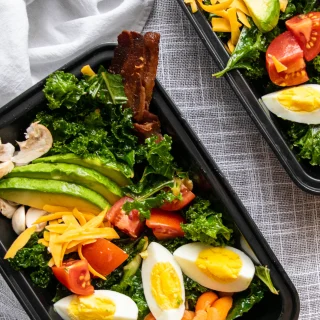
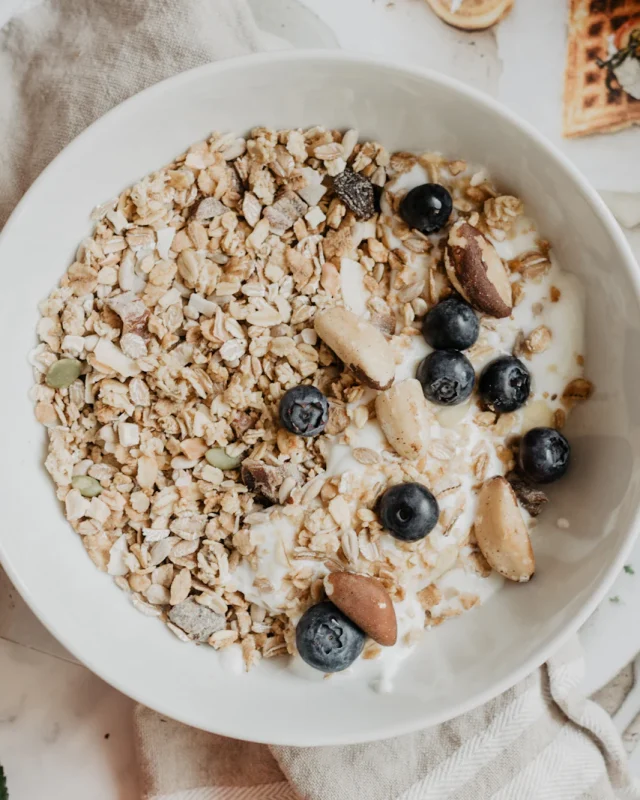
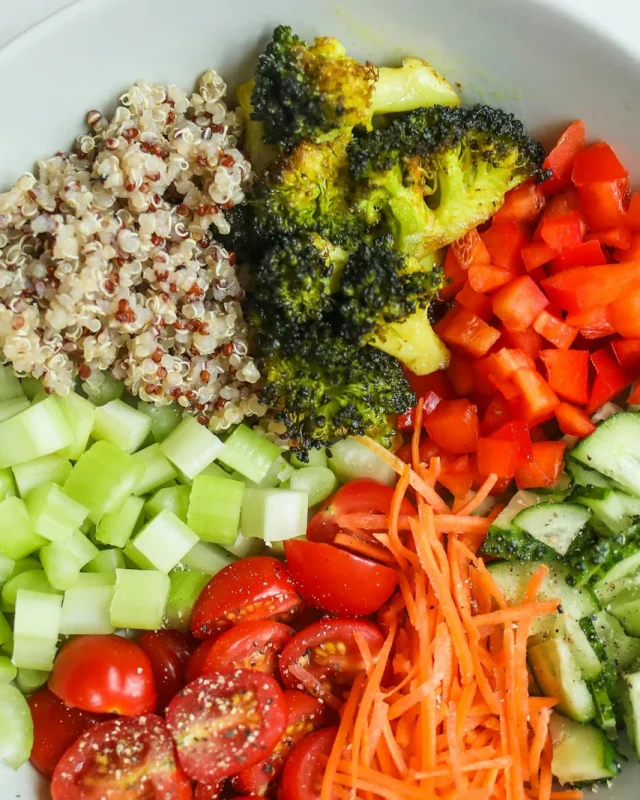
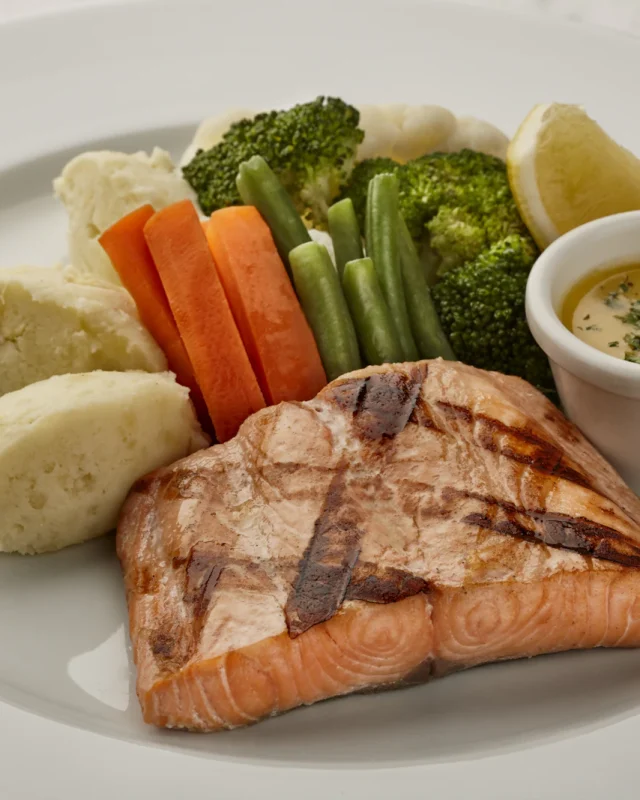
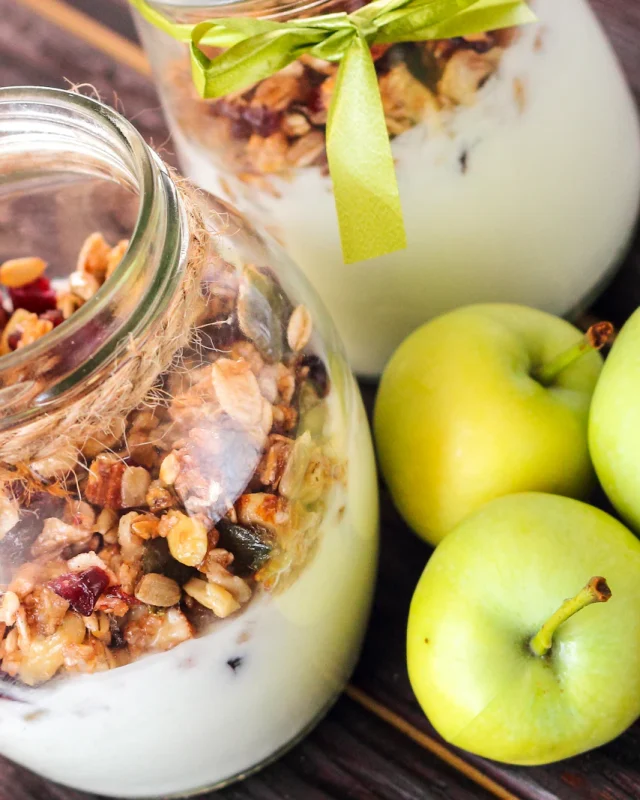
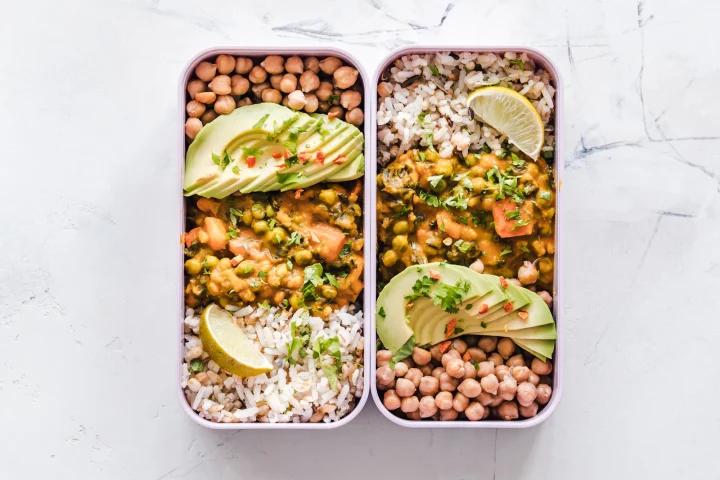
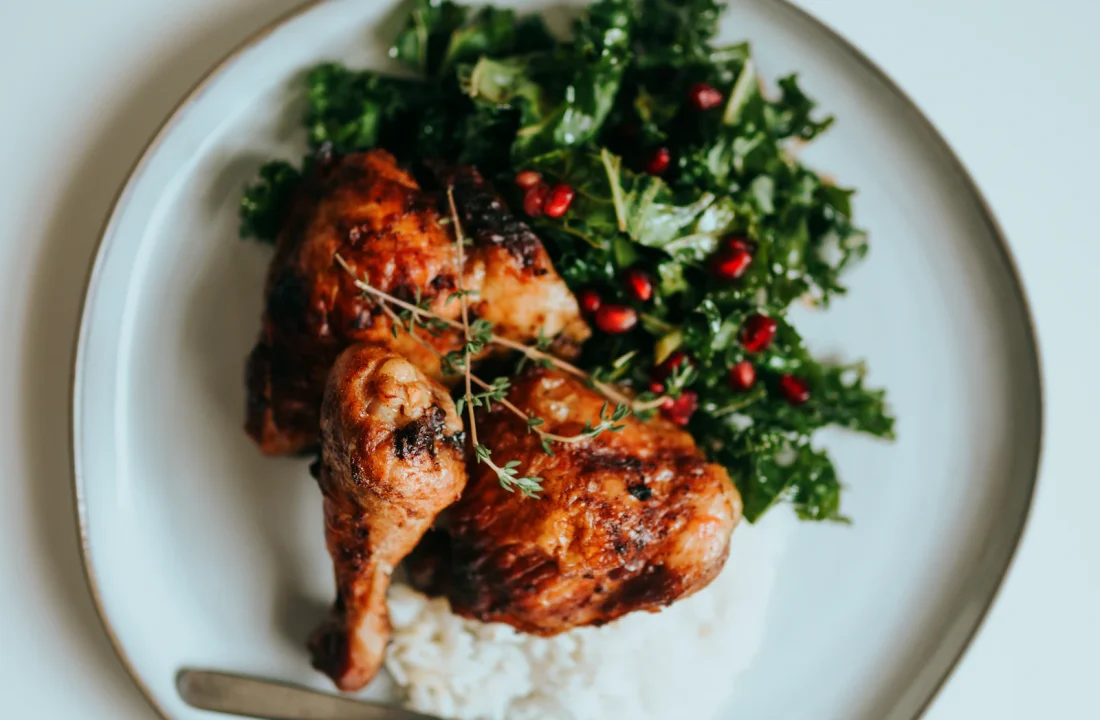
Explore food & dietEasy breakfasts, lunches, dinners and snacks you can actually make on a busy day.
Find meal ideasPlain-English guides to loose stools, bloating and gas, and when to call your doctor.
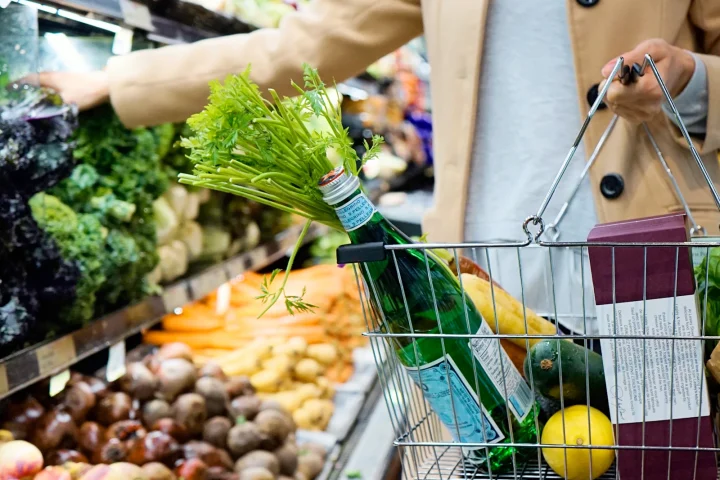
Read the guidesEating out, grocery shopping, meal planning and routines that make life easier.
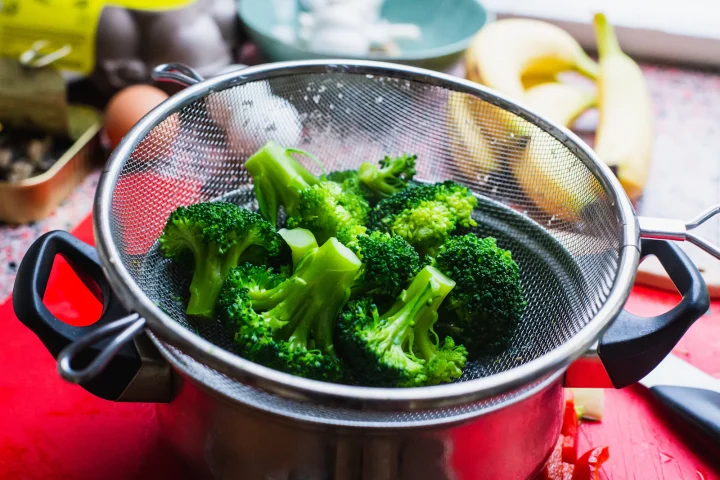
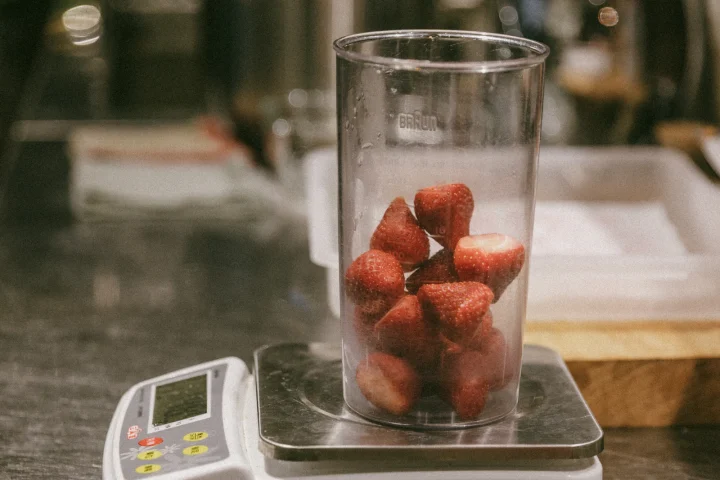
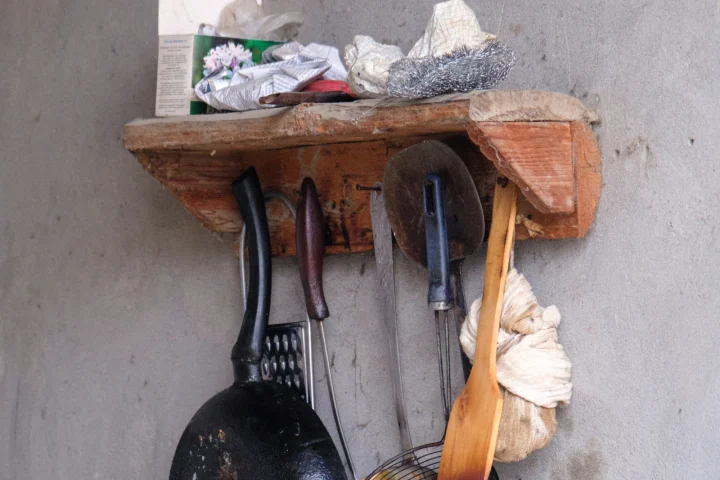
Get practical tipsHonest guides to everyday kitchen items for portioning, storing and preparing meals.
See the guidesMost people return to a balanced diet within weeks. Here is how to ease back in, which foods tend to sit well, and how to learn what suits you.
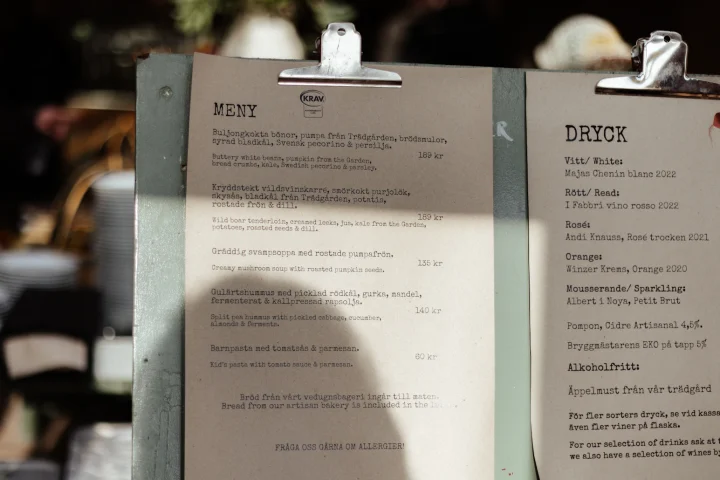
Restaurants do not have to be off-limits. Learn the menu words to look for, how to order lighter, and simple questions to ask your server.
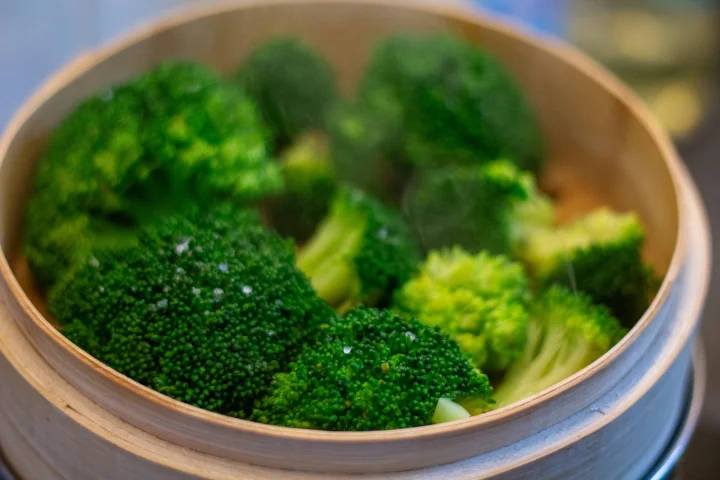
How common cooking methods compare for added fat and ease, plus the everyday kitchen tools that go with each, based on NHS guidance and product research.
For most people, yes, eventually. Here is what usually happens after surgery, what research says about special diets, and when to ask for more help.
Clear answers about eating after gallbladder removal.
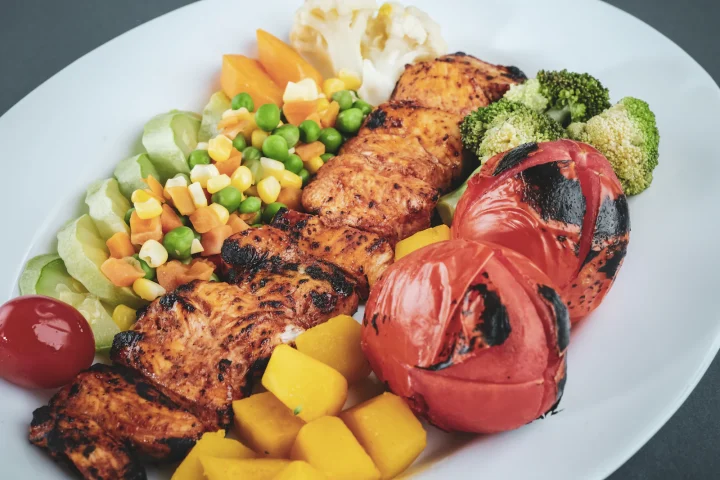
There is no single banned-food list, but some foods cause more trouble than others. Here is what many people limit, why, and gentler swaps to try.
Small, gentle meals are the usual advice. Here are simple ideas for the first week, what the NHS and Cleveland Clinic say, and when to ask for help.
Most people return to a balanced diet within weeks. Here is how to ease back in, which foods tend to sit well, and how to learn what suits you.
Simple, realistic ideas for breakfast, lunch, dinner and snacks.
What to expect, and how routines tend to settle over time.
Your liver still makes bile, but it now flows differently. Here is what that means for digestion, why some people notice changes, and what the research says.
A plain-English look at the usual recovery timeline, activity, driving and returning to work, based on NHS and NIDDK guidance, plus questions to ask your team.
For most people, yes, eventually. Here is what usually happens after surgery, what research says about special diets, and when to ask for more help.
Practical ideas for eating out, shopping, planning and cooking.
A short food and symptom diary is the easiest way to learn what suits you. Here is what to write down, how long to keep it, and how to read it.
A printable aisle-by-aisle checklist for stocking a kitchen with lighter foods, plus how to read labels quickly using FDA and NHS guidance.
Restaurants do not have to be off-limits. Learn the menu words to look for, how to order lighter, and simple questions to ask your server.
No-hype guides to everyday cooking and meal-prep items that can make smaller, lower-fat meal routines easier.
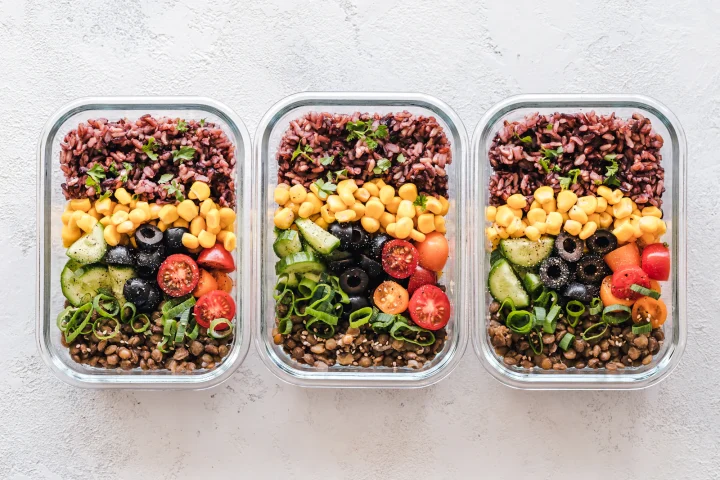
What to look for when portioning and storing meals.
Handy for portioning and following recipes.
Steamers, air fryers and other lighter-cooking helpers.
Where to find lower-fat recipe inspiration.
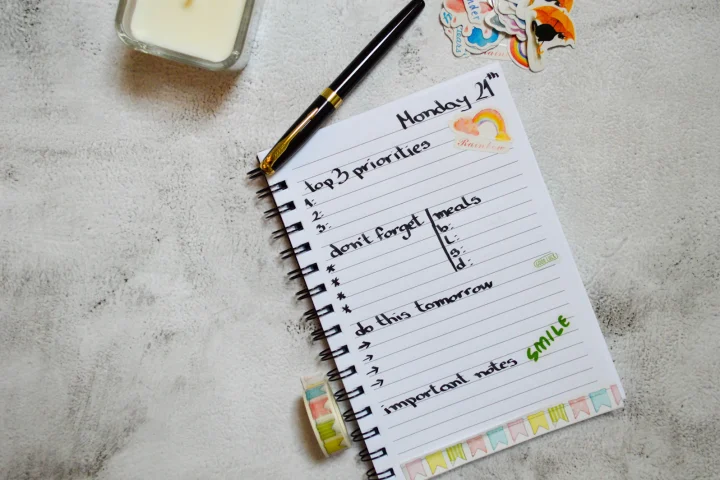
Simple notebooks for keeping a food diary.
Some links in these guides are affiliate links. As an Amazon Associate I earn from qualifying purchases. Learn how we choose products.
Our in-depth guides, hand-picked by the editors.
Simple planners and trackers that run in your browser. What you enter is saved on your own device.
Get useful food ideas, practical tips and new guides delivered occasionally.
Occasional emails only. Unsubscribe anytime. Privacy Policy.
Life With No Gallbladder is an independent, reader-supported publication. We summarise published guidance from trusted health organisations, show where it comes from, and are open about how we earn money. We are not doctors, and nothing here replaces advice from your own care team.
Health information is based on published guidance from bodies such as the NIDDK, the NHS and major hospitals, with sources listed.
We share general information, not diagnoses or treatment. Everyone responds differently, so we point you to your doctor or dietitian when it matters.
Some product links are affiliate links. We explain why an item may be useful, never present it as medical treatment, and say so clearly.