Meal Prep Tips for Smaller, Lower-Fat Meals
A practical weekly routine for batch cooking, portioning and storing lighter meals, with food-safety basics and the kitchen items that make it easier.
In this guide
Short answer: meal prep makes it easier to eat the smaller, lower-fat meals many people prefer after gallbladder removal, because lighter food is ready when you are hungry rather than leaving you to grab something fried. A simple routine is to plan a few meals, cook in batches using low-fat methods, portion into containers, and store them safely: refrigerate within 2 hours and eat within 3 to 4 days.
Key takeaways
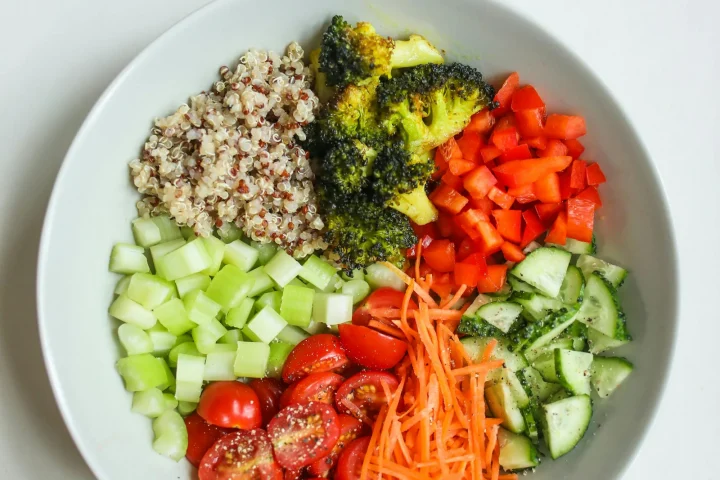
- Prep components (a protein, a starch, a vegetable) rather than full recipes, so you can mix and match.
- Bake, grill, poach or steam in batches; keep sauces separate.
- Portion into small containers: smaller meals are easier to digest for many people.
- Follow USDA food-safety basics for cooling, storing and reheating.
- Good containers and a scale are helpful, but you do not need much equipment.
A simple weekly routine
- Plan (10 minutes). Pick two proteins, two starches and three vegetables for the week. Our meal plan generator can suggest a framework, and the free printable meal planning guide has a weekly worksheet.
- Shop (30 minutes). Use the grocery checklist so you buy lean and light.
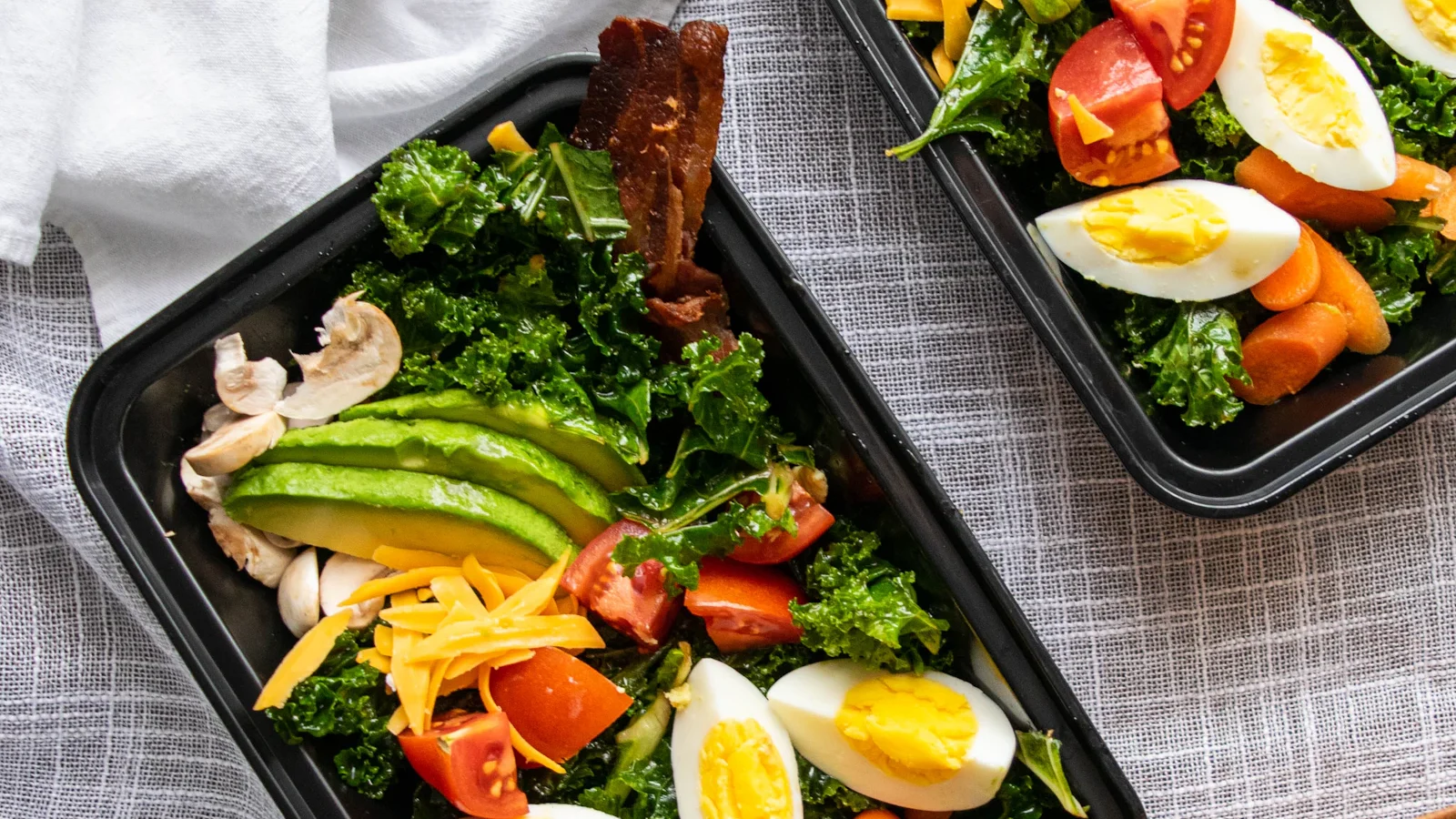
- Cook in batches (60 to 90 minutes). Roast a tray of vegetables, bake or poach chicken breasts or fish, cook a pot of rice or quinoa, and make a big pot of soup.
- Portion and label. Divide into containers. Use masking tape and a marker for the date.
- Chill quickly. Spread hot food in shallow containers so it cools faster.
Food safety basics
The USDA’s guidance on leftovers is simple to remember:
- Refrigerate cooked food within 2 hours (1 hour if the temperature is above 90°F).
- Keep leftovers in the refrigerator for 3 to 4 days, or freeze them for 3 to 4 months.
- Reheat to 165°F (74°C).
If your week is long, freeze portions on day one or two and thaw them in the refrigerator overnight.
Lower-fat batch cooking that works
- Chicken breast: poach in seasoned broth, or bake at 400°F for about 20 minutes, then slice or shred. Remove the skin and trim visible fat, as the NHS suggests.
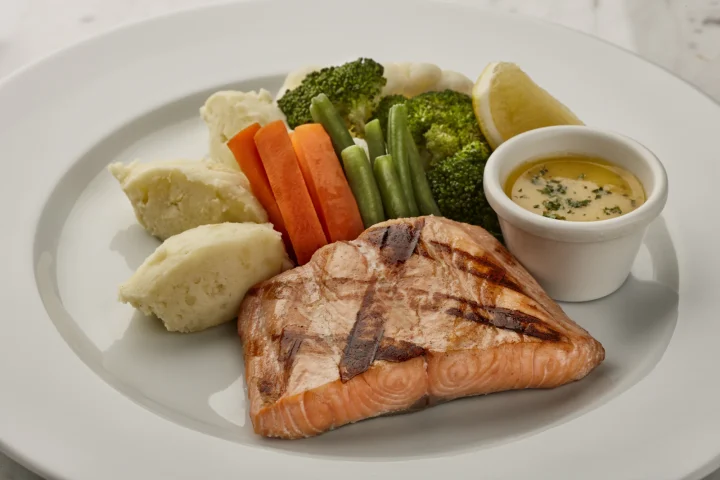
- Fish: bake white fish with lemon and herbs; it cooks in 12 to 15 minutes.
- Vegetables: roast with a light oil spray, or steam. Softer vegetables are often easier early on.
- Grains: cook a big pot of rice, quinoa or oats and portion it.
- Soup: chicken and rice soup or a simple vegetable soup freezes well. Skim any fat after chilling.
Portion sizes
There is no official portion rule for life after gallbladder removal, but many people find smaller servings easier. Cleveland Clinic suggests four to six smaller meals through the day. Start with portions that feel comfortable, notice how you feel an hour or two later, and adjust. A simple food diary helps.
Kitchen items that make meal prep easier
You do not need special gear, but a few everyday items can save time. These are general kitchen products rather than anything medical, and we have not tested them ourselves. For more detail, see our guides to meal prep containers, kitchen scales and glass vs plastic containers.
Useful for portioning
Glass meal prep containers with lids
Handy for storing single portions of batch-cooked meals, and many go from fridge to microwave.
- Look for airtight, leak-resistant lids
- Check that glass is microwave- and oven-safe
- Stackable sizes save fridge space
Affiliate link. As an Amazon Associate I earn from qualifying purchases. This is a general-purpose kitchen item, not a medical product.
Useful for portioning
Digital kitchen scale
Makes it easy to portion proteins and grains consistently, and to follow recipes that give weights.
- A tare (zero) button for weighing into a bowl
- Grams and ounces
- Easy-to-clean flat surface
Affiliate link. As an Amazon Associate I earn from qualifying purchases. This is a general-purpose kitchen item, not a medical product.
Frequently asked questions
How long does meal prep keep?
The USDA says leftovers can be kept in the refrigerator for 3 to 4 days. For longer, freeze portions.
Do I need to cook everything fat-free?
No. Many people tolerate a little oil or a modest portion of healthy fats. The goal is to measure and notice, not eliminate everything.
Can I reheat soup more than once?
It is safest to reheat only the portion you will eat, to 165°F, and avoid repeatedly heating and cooling the same pot.
Sources
- USDA FSIS: Leftovers and food safety
- NHS: Eat less saturated fat
- Cleveland Clinic: How to change your diet after gallbladder removal
Keep reading
This article is part of Recipes & Meal Ideas hub, where you will find related guides in a sensible order.
This article offers general educational information, not medical advice. Everyone's situation is different, so please talk to your doctor or dietitian about yours. If symptoms are severe, persistent or worsening, seek medical advice. Read our medical disclaimer.