Diarrhea After Gallbladder Removal: Causes and When to Get Help
Looser or more frequent stools are a common change after surgery. Here is why it happens, what often helps, and the signs that mean it is time to see a doctor.
In this guide
Short answer: looser or more frequent stools are one of the more common changes after gallbladder removal. For most people they are mild and settle over weeks to a few months. For some, they last longer, and in those cases a condition called bile acid diarrhea is one possible cause that doctors can test for and treat. If diarrhea is severe, lasts more than a few days soon after surgery, or comes with warning signs, contact your doctor.
Key takeaways
- Bile now flows into the intestine continuously, which can loosen stools in some people.
- The NIDDK says changes like this are usually temporary; the NHS lists diarrhea among symptoms that typically settle quickly.
- Smaller, lower-fat meals, plenty of fluid and gradually added soluble fiber often help.
- Do not start anti-diarrheal medicines or supplements without advice from a doctor or pharmacist.
- Persistent diarrhea is worth discussing: it can be tested for and treated.
Why diarrhea can happen after gallbladder removal
Bile is made by the liver. Before surgery, the gallbladder stored it and released a concentrated amount when you ate. Afterward, bile drips into the small intestine all the time. The NIDDK explains that a small number of people have softer and more frequent stools because bile now flows into the intestine more often, and that these changes are usually temporary.
When more bile acid than usual reaches the large intestine, it can pull water and salts into the bowel, causing loose, watery stools. A medical review of post-cholecystectomy diarrhea describes this bile acid malabsorption as the main mechanism, and notes that bowel movements can increase for some people to several a day. How common this is varies widely between studies, and many people never have a problem at all.
How long does it last?
For many people it improves within weeks. Cleveland Clinic describes the body taking from a couple of weeks to a couple of months to adjust. The NHS describes symptoms like diarrhea after surgery as typically resolving quickly, and advises seeing a doctor if they persist. A small number of people have longer-lasting symptoms, and research suggests this is a recognized and treatable problem rather than something you simply have to put up with.
What often helps
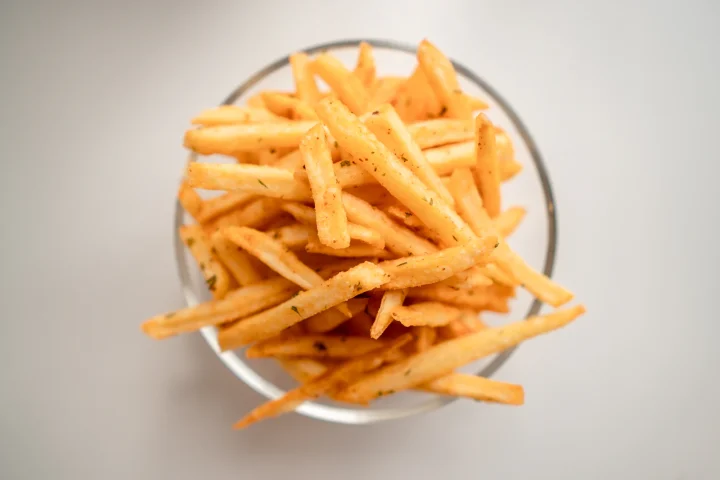
- Smaller, lower-fat meals. Cleveland Clinic suggests four to six smaller meals. Fried, greasy and rich foods are the most commonly reported triggers; see foods to limit after gallbladder removal.
- Plenty of fluid. Loose stools lose water and salts. The NHS suggests 6 to 8 glasses of fluid a day. Ask a pharmacist about oral rehydration solutions if you feel drained.
- Gradually more soluble fiber. Foods such as oatmeal, bananas and peeled apples are gentle starting points. Too much fiber too quickly can make things worse, so build up slowly.
- Identify your triggers. Caffeine, alcohol, very sugary drinks, large portions, spicy food and “sugar-free” products containing sugar alcohols can loosen stools in some people. A food diary and our Food Trigger Tracker make patterns easier to see.
- Eat slowly and keep meals regular instead of skipping meals and then eating a large one.
Check before using medicines or supplements
Over-the-counter anti-diarrheals, fiber supplements and probiotics are not right for everyone, particularly soon after surgery or if you have a fever or blood in your stool. Please ask your doctor or pharmacist. We do not recommend any specific medicine or supplement.
When diarrhea needs a doctor
Seek medical advice promptly if you have any of the following:
- Diarrhea lasting more than three days soon after surgery (Cleveland Clinic lists this as a warning sign)
- Blood in your stool, or black, tarry stools
- A high temperature or chills
- Severe or worsening abdominal pain
- Yellowing of the skin or whites of the eyes (jaundice)
- Signs of dehydration: very dark urine, passing little urine, dizziness, a very dry mouth
- Unexplained weight loss, or diarrhea that wakes you at night
Book a regular appointment if loose stools continue beyond a few weeks, or if they are affecting your work, sleep or social life, even if you feel otherwise well. See when to call your doctor after gallbladder removal for the full list.
What a doctor may consider
If diarrhea persists, a doctor may check for other causes such as infections, medicines, lactose intolerance, celiac disease or irritable bowel syndrome, and may consider bile acid diarrhea. The medical review above notes that bile acid diarrhea can be mistaken for irritable bowel syndrome, that specific tests exist, and that treatments include medicines that bind bile acids, along with diet changes such as reducing fat and increasing vegetable fiber. All of these need to be supervised by a doctor, so please do not try to treat it yourself.
Our free Appointment Notes tool helps you list your symptoms and questions before a visit, and the Symptom Diary keeps a record to bring along.
Frequently asked questions
Will I have diarrhea forever?
Most people do not. For many it settles within weeks to months. If it does not, speak to your doctor; there are tests and treatments for persistent cases.
Is it a sign something went wrong with the surgery?
Usually not. Looser stools are a recognized effect of bile now flowing differently. But severe pain, fever or jaundice are different and need prompt medical attention.
Should I take a fiber supplement?
Some people find soluble fiber helpful, but supplements are best started on your doctor’s or dietitian’s advice. Food sources such as oatmeal are a gentler first step.
Can diet alone fix it?
Diet helps many people, but evidence that strict low-fat diets work for everyone is limited. If diet changes do not help, ask about other causes and treatments.
Sources
- NIDDK: Treatment for gallstones
- NHS: Gallbladder removal: risks and complications
- Cleveland Clinic: How to change your diet after gallbladder removal
- World Journal of Gastrointestinal Surgery: Diagnosis and treatment of post-cholecystectomy diarrhoea
- Systematic review: Dietary considerations in cholecystectomy (PubMed Central)
- NHS: 8 tips for healthy eating (fluids)
Keep reading
This article is part of The Life After Gallbladder Removal guide, where you will find related guides in a sensible order.
This article offers general educational information, not medical advice. Everyone's situation is different, so please talk to your doctor or dietitian about yours. If symptoms are severe, persistent or worsening, seek medical advice. Read our medical disclaimer.