Glass vs Plastic Meal Prep Containers: What to Look For
A research-based comparison of glass, plastic and stainless steel containers for portioned meals, with a checklist of features that matter.
In this guide
Short answer: glass containers are the usual pick for reheating and avoiding stains, plastic containers are lighter and cheaper for carrying, and stainless steel is durable but cannot go in the microwave. The right choice depends on how you cook, carry and reheat meals. If you prepare smaller portions of lower-fat meals ahead of time, any well-sealing container works; what matters most is leak-resistant lids, the right sizes and easy cleaning.
How we put this together
This comparison is based on product specifications, manufacturer information and general food-storage guidance. We have not physically tested these items, so we do not give scores or rankings. These containers are ordinary kitchen products, not medical items. Read how we research products.
Key takeaways
- Glass: easy to clean, does not hold odors or stains, usually microwave- and oven-safe; heavier and can break.
- Plastic: lighter and often cheaper; can stain and hold odors; check that it is labeled microwave-safe and BPA-free.
- Stainless steel: tough and light; not microwave-safe; usually higher priced.
- Choose smaller sizes (about 2 to 3 cups) for portioned meals, and compartments if you like to keep foods separate.
- Food safety does not depend on material: refrigerate within 2 hours, eat within 3 to 4 days, reheat to 165°F.
The quick comparison
| Feature | Glass | Plastic | Stainless steel |
|---|---|---|---|
| Weight | Heavier | Lightest | Light to medium |
| Microwave | Usually yes (remove lid if told to) | Only if labeled microwave-safe | No |
| Oven | Often yes, check the limits | No | Often yes (without plastic lids) |
| Stains and odors | Resist well | Can stain with tomato and curry | Resist well |
| Durability | Can chip or break | Can warp with heat | Very durable |
| Typical cost | Medium | Lowest | Higher |
| Best for | Batch cooking, reheating at home | Lunches you carry, kids’ lunches | Cold lunches, camping, travel |
Features worth checking
- Lids that seal well. Look for a gasket or locking tabs if you carry soup or sauces.
- Sizes. Two to three cups suits many single portions; smaller 1-cup containers are handy for sauces and snacks.
- Compartments keep a protein, a starch and vegetables from mixing.
- Stackability saves fridge and cupboard space.
- Safe temperature range. Check the manufacturer’s microwave, oven and freezer limits, and whether lids are heat-safe.
- Dishwasher-safe, if you do not want to hand wash.
Useful for batch cooking
Glass meal prep containers with locking lids
A common choice for storing and reheating single portions of home-cooked meals.
- Check microwave and oven limits
- Look for leak-resistant locking lids
- Choose 2 to 3 cup sizes for single portions
Affiliate link. As an Amazon Associate I earn from qualifying purchases. This is a general-purpose kitchen item, not a medical product.
Useful for portioning
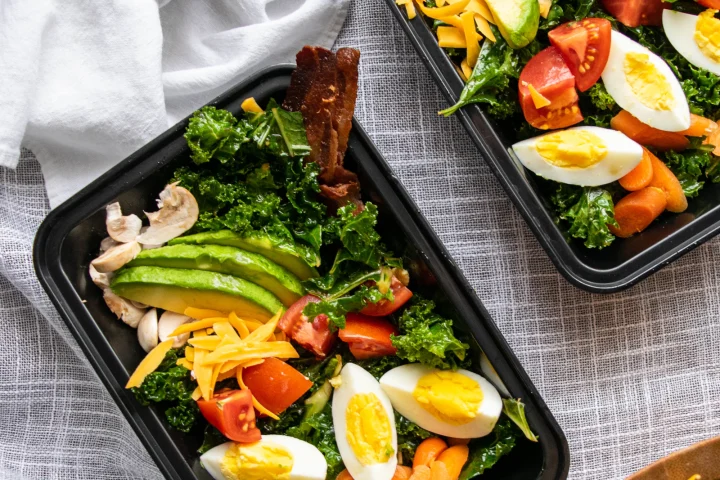
Compartment meal prep containers
Separate sections keep a protein, starch and vegetables apart so food stays appealing.
- Check whether the lid is microwave-safe
- Look for BPA-free plastic
- Stackable designs save space
Affiliate link. As an Amazon Associate I earn from qualifying purchases. This is a general-purpose kitchen item, not a medical product.
Everyday tips for using containers
- Cool food quickly in shallow containers before sealing and refrigerating.
- Label with the date. A strip of tape works.
- Do not overfill. Leave a little room, especially for freezing.
- Replace warped, cracked or scratched plastic containers.
- Follow the manufacturer’s instructions for heating and cleaning.
For a weekly routine, see meal prep tips for smaller, lower-fat meals and our product guide to meal prep containers.
Frequently asked questions
Is glass safer than plastic?
Both are widely used for food storage. Glass does not hold stains or odors and is often rated for higher heat. Plastic should be labeled food-safe and microwave-safe if you will heat it; follow the manufacturer’s instructions either way.
Can I freeze meals in glass?
Many glass containers are freezer-safe, but check the manufacturer’s guidance, leave headspace for expansion and avoid sudden temperature changes.
How many containers do I need?
A week of lunches and dinners usually means 10 to 14 containers, plus a few small ones for sauces and snacks.
Sources
- USDA FSIS: Leftovers and food safety
- Manufacturer specifications vary by product; always follow the instructions that come with your containers.
Keep reading
This article is part of Start Here: the beginner's path, where you will find related guides in a sensible order.
This article offers general educational information, not medical advice. Everyone's situation is different, so please talk to your doctor or dietitian about yours. If symptoms are severe, persistent or worsening, seek medical advice. Read our medical disclaimer.