Bloating and Gas After Gallbladder Removal: Practical Ideas
Bloating and gas are common while digestion adjusts. These practical habits and food tweaks help many people, and here is when to check with a doctor.
In this guide
Short answer: some gas and bloating are common as digestion adjusts after gallbladder removal. They are often linked to eating too fast, very large or fatty meals, adding fiber too quickly, fizzy drinks, or certain gas-producing foods. Smaller meals, slower eating and gradual changes help many people. Severe pain, ongoing vomiting or being unable to pass gas or stool need prompt medical attention.
Key takeaways
- Cleveland Clinic notes that reintroducing fiber too quickly can cause diarrhea, cramping and bloating, so go gradually.
- Smaller, slower meals are a simple first step.
- Common triggers include fizzy drinks, large fatty meals, beans, cruciferous vegetables and sugar alcohols.
- Evidence for specific supplements or teas is limited; talk to a doctor before taking anything.
- Pain that is severe or worsening, vomiting, or being unable to pass gas or stool for more than three days needs medical advice.
Why it happens
After gallbladder removal, bile reaches the intestine continuously, so fatty food can take longer to digest for some people. Undigested food can ferment in the large intestine and produce gas. Several everyday factors add to this:
- Eating quickly or talking while eating, which means you swallow more air.
- Large or fatty meals, which can slow the stomach emptying.
- Adding fiber too fast. Cleveland Clinic says reintroducing fiber quickly can cause diarrhea, cramping and bloating.
- Gas-producing foods such as beans, lentils, onions, cabbage, broccoli and cauliflower.
- Fizzy drinks and chewing gum.
- Sugar alcohols (such as sorbitol and mannitol) in “sugar-free” products, which can cause gas and loose stools in some people.
Practical ideas that help many people
- Slow down. Chew well and put your fork down between bites.
- Eat smaller meals. Four to six small meals, as Cleveland Clinic suggests, put less demand on digestion at once.
- Add fiber gradually. Start with soluble fiber such as oatmeal, bananas and peeled apples, then build up over weeks.
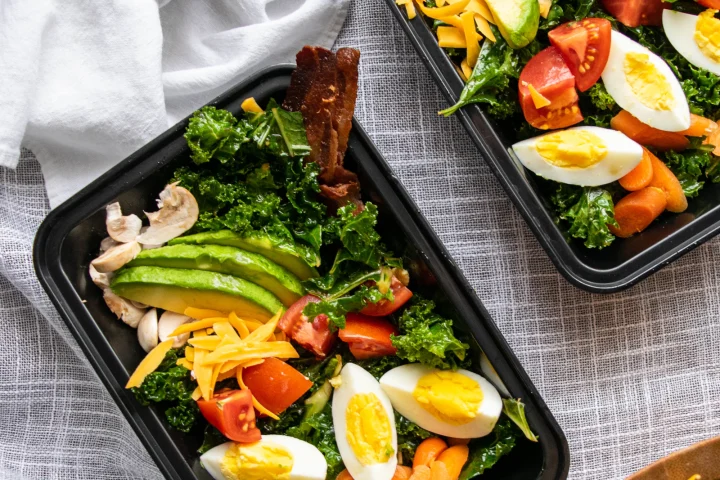
- Cook vegetables well. Soft, cooked vegetables are usually easier than raw ones. Introduce beans and cruciferous vegetables one at a time.
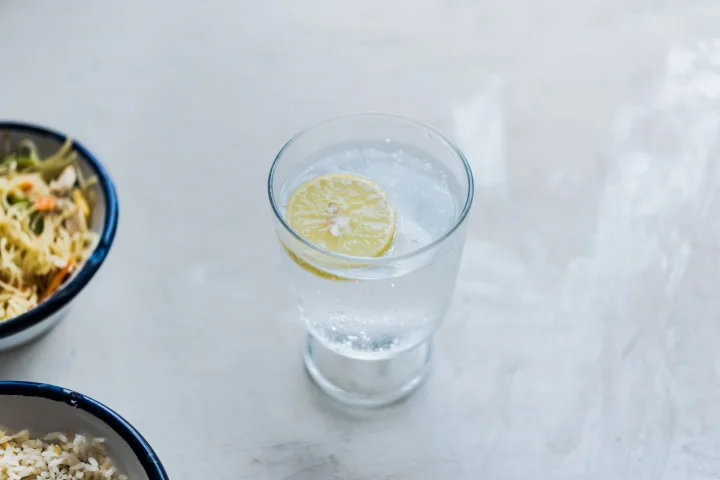
- Cut back on fizzy drinks, and drink water or herbal tea instead.
- Move gently after meals. A short, easy walk helps some people feel less bloated.
- Keep a simple diary. Write down what you ate and how you felt. Our food diary guide and free tracker make it easy to spot your own triggers.
Herbal teas
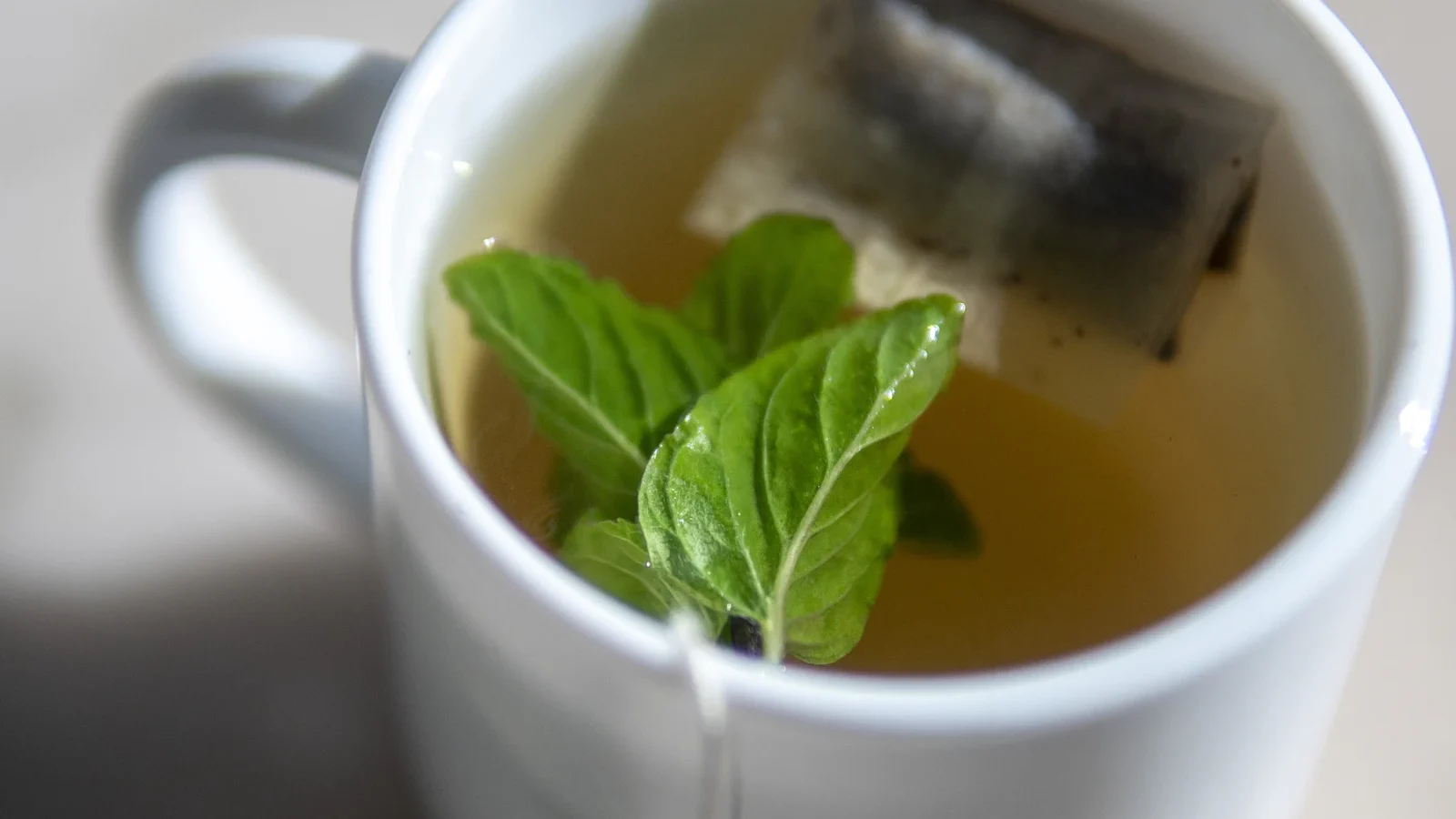
Many people find a warm cup of herbal tea relaxing after a meal, and it counts toward your fluids. Evidence that any particular tea relieves bloating is limited, so think of it as a pleasant habit rather than a treatment.
Check labels for sugar alcohols
Ingredients ending in “-ol” (sorbitol, mannitol, xylitol, maltitol) are sugar alcohols. They are common in sugar-free gum, candies and some protein bars. In larger amounts they can have a laxative effect and cause gas and bloating in some people. If you have lots of gas, check the ingredients of “sugar-free” foods.
When to get medical advice
Seek medical advice if you have
- Severe or worsening abdominal pain, or a swollen, hard abdomen
- Persistent vomiting, or you cannot keep fluids down
- Constipation, or being unable to pass gas, for more than three days (listed as a warning sign by Cleveland Clinic)
- A high temperature or chills
- Yellowing of the skin or eyes
- Blood in your stool, or unexplained weight loss
If bloating is persistent, or affects your daily life, speak to your doctor or ask for a referral to a registered dietitian. See also when to call your doctor.
Frequently asked questions
Is bloating after gallbladder removal normal?
Some bloating and gas are common as digestion adjusts. The NHS lists indigestion and similar symptoms among those some people have after surgery that usually settle. Persistent symptoms deserve a conversation with your doctor.
Should I cut out high-fiber foods?
Not permanently. Fiber is good for digestion in the long run. The idea is to add it slowly so your body can adjust.
Do digestive enzymes or probiotics help?
Evidence for these after gallbladder removal is limited, and they are not right for everyone. Please ask your doctor or pharmacist before trying them.
Related reading: how digestion changes without a gallbladder and diarrhea after gallbladder removal.
Sources
- Cleveland Clinic: How to change your diet after gallbladder removal
- NHS: Gallbladder removal: risks and complications
- Systematic review: Dietary considerations in cholecystectomy (PubMed Central)
Keep reading
This article is part of The Life After Gallbladder Removal guide, where you will find related guides in a sensible order.
This article offers general educational information, not medical advice. Everyone's situation is different, so please talk to your doctor or dietitian about yours. If symptoms are severe, persistent or worsening, seek medical advice. Read our medical disclaimer.